
How Do You Wire Hot Tub Equipment Safely and Correctly?
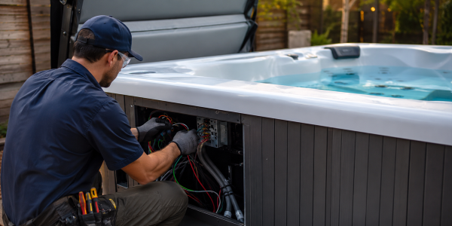
A hot tub can turn a backyard into a favorite place to relax, but the electrical work behind it deserves serious attention. When you Wire Hot Tub equipment, you are bringing electricity close to water, so proper circuit planning, grounding, bonding, and ground fault protection matter from the start. We help homeowners across Long Island handle electrical projects with safety and care, drawing on decades of hands on experience.
Why Hot Tub Wiring Needs Special Attention
Hot tubs are not ordinary household appliances. They can place a substantial electrical demand on a home, while their location creates additional safety concerns because water and electricity are close together.
That is why hot tub electrical work should not be treated as a simple plug and play project.
Depending on the hot tub model and installation, the electrical system may need a dedicated circuit, properly sized conductors, suitable disconnecting means, grounding, bonding, and GFCI protection. The exact requirements depend on the equipment and applicable electrical codes.
The Electrical Safety Foundation International notes that GFCI protection is required in areas involving spas and hot tubs, and explains that GFCIs can shut off power when a ground fault is detected.
We also recommend checking the manufacturer’s installation requirements before any electrical work begins. A qualified electrician can then determine what your existing electrical system can safely support.
Wire Hot Tub Safely With the Right Electrical Setup
So, what does proper hot tub wiring involve?
First, we look at the electrical demand of the equipment. The hot tub’s nameplate and manufacturer’s instructions provide important information about voltage, amperage, and connection requirements.
Next, we assess the home’s electrical service. An older panel may not have enough capacity for a new high demand load. In some situations, a service or panel upgrade may be appropriate before the hot tub is connected.
We also pay close attention to the wiring route. Outdoor installations may require wiring protected from moisture and physical damage. The equipment location, conduit, disconnect, grounding, bonding, and GFCI protection all need careful consideration.
Here are some key points we consider:
- The hot tub’s electrical specifications
- Available electrical service capacity
- Proper circuit sizing
- Appropriate wire and conduit
- GFCI protection
- Grounding and bonding
- Outdoor environmental conditions
- Applicable local electrical requirements
We never recommend using an extension cord as a permanent solution for a hot tub. Outdoor electrical equipment needs protection that matches the conditions around it. ESFI also advises homeowners to have qualified professionals inspect and upgrade pool, spa, and hot tub electrical systems according to applicable codes.
This attention to detail helps create an installation that is both functional and safer for everyone using the spa.
What to Do When You Need a Repair Outlet
Sometimes the hot tub itself is not the only concern. You may notice an outdoor receptacle that does not work, trips repeatedly, feels warm, or shows signs of damage.
That is when an electrical Repair Outlet service may be needed.
Do not keep resetting a tripped GFCI without finding out why it is tripping. A GFCI may be responding to a genuine ground fault or another electrical problem.
Likewise, never ignore:
- A warm or discolored outlet
- A burning smell
- Sparks or unusual buzzing
- Loose receptacle covers
- Water entering an electrical box
- Repeated breaker or GFCI trips
- Damaged wiring or plugs
Water makes these warning signs even more important around a hot tub.
If an outlet or circuit near your spa is malfunctioning, turn off the affected power when it is safe to do so and have the system checked by a qualified electrician. We can inspect the electrical issue and determine whether the outlet, wiring, circuit, protection device, or another part of the system needs attention.
Warning Signs You Should Never Ignore
A hot tub electrical problem does not always announce itself with a dramatic failure.
Sometimes the first clue is a breaker that trips every few days. Other times, the GFCI trips whenever the equipment starts. You may also notice flickering lights, unusual sounds, a warm outlet, or unexplained power loss.
These signs deserve attention.
Electricity and water require a cautious approach. ESFI warns that faulty wiring can contribute to electric shock drowning and recommends qualified electrical inspection for pools, spas, and hot tubs.
We encourage homeowners to stop using equipment if they notice a serious electrical warning sign rather than attempting to bypass a breaker or GFCI. Safety devices are there for a reason.
How We Approach Hot Tub Electrical Work
When we take on an electrical project, we start by understanding what the homeowner needs and what the existing system can safely support.
Our electricians evaluate the electrical setup, identify potential concerns, and explain the work in clear language. We handle residential and commercial electrical projects, including new work, renovations, service upgrades, repairs, and emergency service calls during business hours.
Our team is licensed and insured, and we have been serving customers since 1958. That long history has taught us something important: good electrical work is not just about making something function. It is about doing the job carefully and leaving the customer confident in the result.
For homeowners in Long Island planning a new hot tub, upgrading an existing setup, or dealing with an electrical issue near the spa, getting professional advice before work begins can prevent avoidable problems later.
Call us at (516) 221 2225 to discuss your electrical needs.
Frequently Asked Questions
1. Can I connect a hot tub to an existing outdoor outlet?
Not necessarily. Hot tubs have specific electrical requirements, and the existing outlet or circuit may not be suitable. We recommend having the electrical system evaluated before connecting the equipment.
2. Why does my hot tub keep tripping the GFCI?
A repeated trip can indicate a ground fault, moisture issue, wiring problem, equipment fault, or another electrical concern. Do not bypass the GFCI. Have the cause properly diagnosed.
3. Do I need a dedicated circuit for a hot tub?
Many hot tubs require a dedicated circuit because of their electrical demand. The exact setup depends on the manufacturer’s specifications and the applicable electrical requirements.
4. Can you help if the outlet near my hot tub is not working?
Yes. We can inspect the outlet and related electrical components to determine why it has stopped working and what work is needed to make the system safe and functional.
5. Do you handle urgent electrical problems?
Yes. We accept Emergency Service Calls within business hours for urgent electrical concerns. If there is an immediate danger involving electricity and water, stay away from the area and contact the appropriate emergency services when necessary.
The Bottom Line
A hot tub should be a place to relax, not a source of electrical worry. Proper planning makes a major difference when electricity is installed near water.
From checking service capacity to installing the appropriate circuit and protection, we focus on the details that matter. If you are planning to Wire Hot Tub equipment or need an electrical Repair Outlet service near your spa, professional evaluation is the safest place to start.
With decades of experience serving Long Island, we are ready to help you approach the project with practical advice, careful workmanship, and safety in mind.